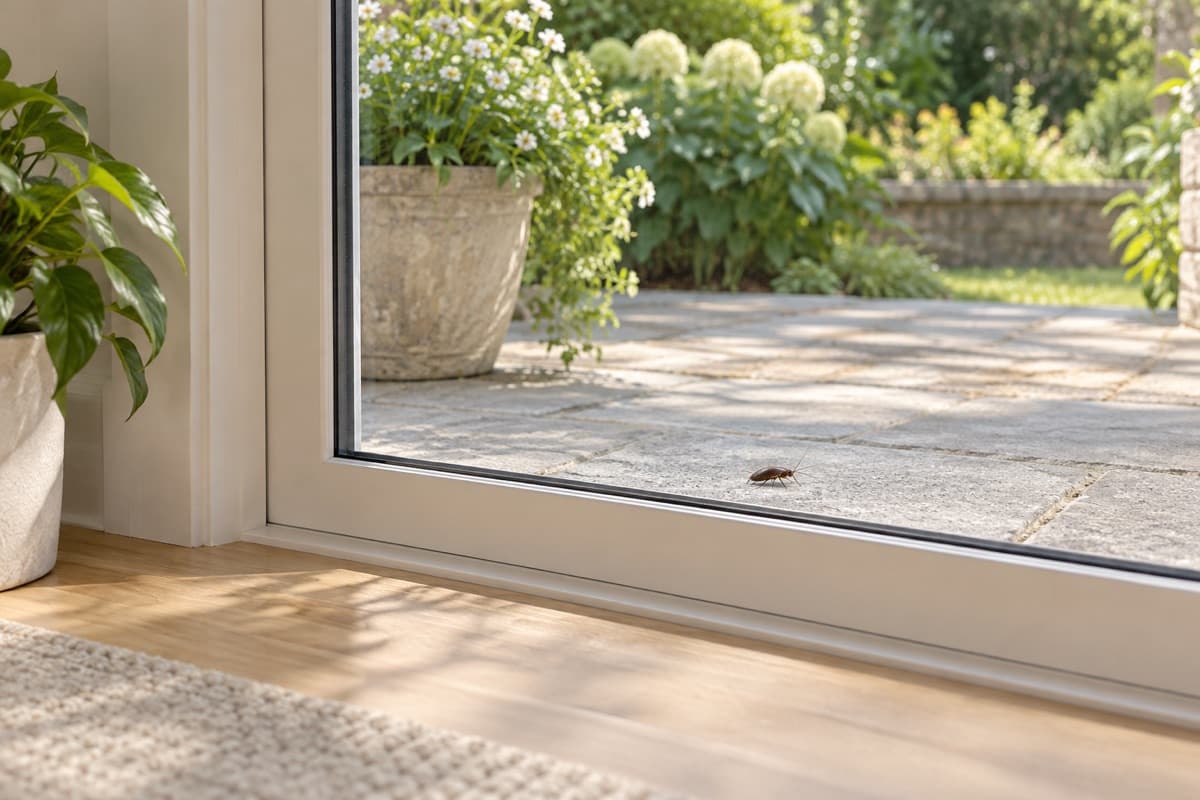
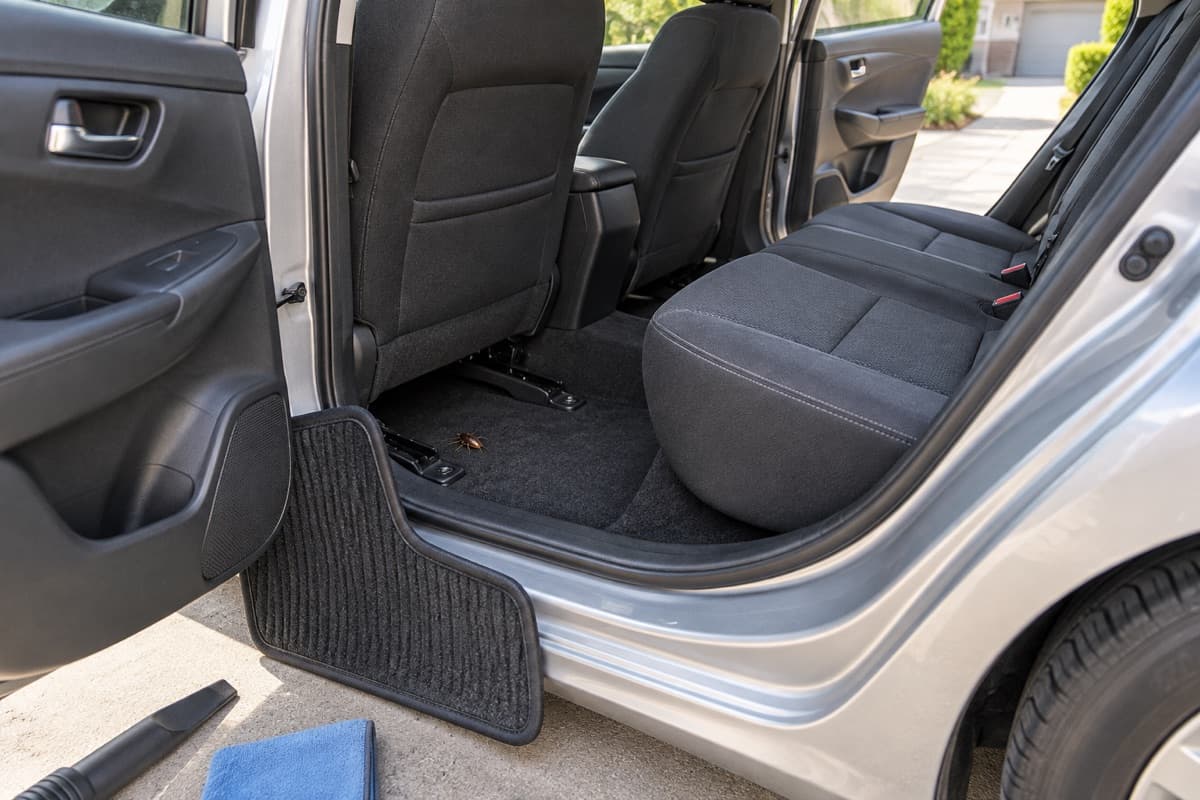
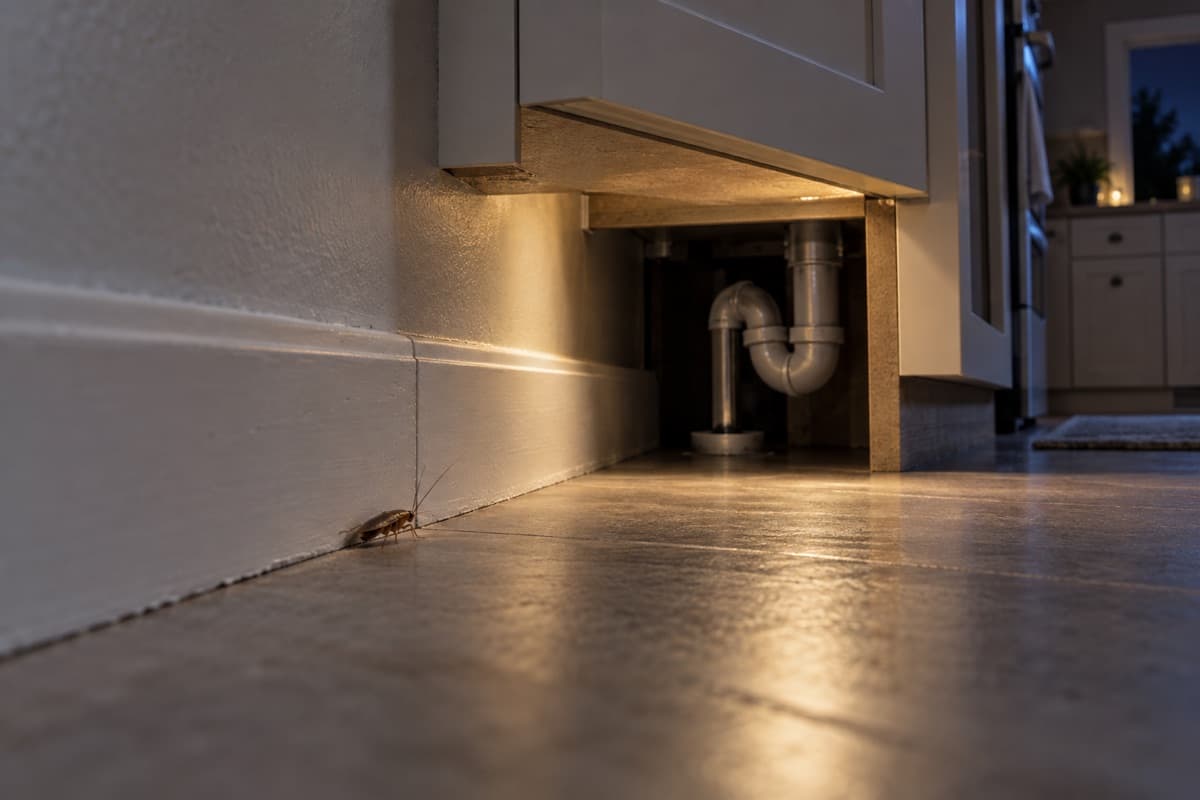
For the roaches that infest kitchens and bathrooms, the best product is usually not a spray at all. University of California's IPM program states that baits provide better control than sprays, that sprays give only a temporary knockdown, and that sprays can repel and scatter cockroaches instead of eliminating them. A 2024 University of Kentucky and Auburn study of four widely sold consumer sprays found that most killed roaches they were sprayed directly, but roaches that simply walked across dried residue were mostly unaffected, and the authors expect these products to add little to no value to cockroach control. A spray is a reasonable tool for one roach you can see, or for outdoor species handled with a labeled product. It is a poor tool for clearing an indoor infestation.
The earlier version of this guide recommended "professional-grade" sprays with fipronil, indoxacarb, or deltamethrin, claimed up to 90% efficacy, and said sprays lure roaches out of hiding. We could not find a source for the efficacy figure, and the lure claim runs opposite to the evidence: UC IPM lists fipronil and indoxacarb among the ingredients used in cockroach baits, and sprays are described as repellent, not attractive. We dropped the figure and rebuilt the guide around what testing shows.
What To Buy For An Indoor Roach Problem
If you are seeing small brown roaches, about 3/8 to 9/16 inch long with two dark bands behind the head, in the kitchen or bathroom, you are probably dealing with German cockroaches. UF/IFAS lists insecticide baits and insect growth regulators as the preferred chemical options for that species. In practice, that means:
- Gel bait or bait stations placed near where roaches hide. Small dabs in cracks and along the edges of cabinets, behind appliances, and under sinks.
- Sticky monitors to find out where the roaches actually are and to tell you later whether the count is falling.
- An insect growth regulator (IGR), which keeps young roaches from becoming breeding adults, as a supplement to bait when you are dealing with a larger population.
- Sanitation and moisture fixes that take away the food and water the bait has to compete with.
Bait is slow. UC IPM says that with baits, it may take 7 days or longer before you see fewer cockroaches. Our guides on getting rid of roaches step by step and how Combat roach bait works cover placement and timing.
What The Testing Shows About Consumer Sprays
The 2024 study, published in the Journal of Economic Entomology, tested four pyrethroid-based consumer products (Raid Ant and Roach Killer; Hot Shot Roach, Ant and Spider Killer; Ortho Home Defense; and Spectracide Bug Stop Home Barrier). It used German cockroaches from apartments and a susceptible lab strain. We are not ranking brands here, because the study's conclusion applies to the group.
- When sprayed directly, most products did well. Most product and population combinations reached 90% or better mortality at 24 hours, though Ortho Home Defense and one Hot Shot test with a highly resistant population fell short, in one case to under 4%.
- When roaches walked across residue for 30 minutes, results collapsed. On all the household surfaces tested, average mortality in the field-collected populations did not exceed 20% at 24 hours.
- Continuous contact eventually worked, but slowly. Even when roaches were confined on treated ceramic tile, it took at least a day, and in some cases up to five days, to reach 100% mortality.
That matters because roaches spend most of their time in cracks and voids and cross treated surfaces only briefly. The authors point out that it is not feasible to find and treat every cockroach in a home directly, so residual performance is what counts, and these products lacked it.
Resistance explains part of this. An NC State study of German cockroaches from Raleigh apartments, published in the *Journal of Economic Entomology* in 2019, found cypermethrin resistance about 202 times that of a susceptible strain and a resistance-linked gene mutation in 96% of the roaches tested. Fipronil resistance was much lower, about 14-fold, and fipronil baits reduced populations by 70 to 93% after one month in direct comparisons with total-release foggers. These were apartment populations from one region, so treat the numbers as an example rather than a national rate, but they fit UC IPM's note that cockroaches have become resistant to many insecticides in common sprays and aerosols.
Consumer baits vary too. A 2025 University of Kentucky study of consumer and professional gel and station baits found that all six products killed well in the lab, but in homes the results differed: professional baits and Hot Shot liquid bait stations reduced roach numbers within a month, Combat gel bait took about two months, and Combat bait stations produced no meaningful reduction during the study. Lab results did not predict home results, so give any bait a few weeks and watch your monitors.
When A Spray Still Has A Role
- A single roach you can see. A direct hit with a contact aerosol can kill it, as the direct-spray results show. Just do not treat that as a plan for the roaches you cannot see.
- Outdoor cockroach species. For American, Oriental, smokybrown, and Turkestan roaches that wander in, eXtension's Pests in the Home guidance favors granular bait around the perimeter and fixing moisture, mulch, and hiding places, with any product used only as its label directs.
- A licensed applicator's targeted treatment. EPA advises that pesticides other than baits and traps should generally only be applied to targeted locations, not sprayed over the whole room, and suggests asking a pest control company to use baits and crack-and-crevice treatments when possible. For what professionals actually use, see what pest control companies use for roaches.
Do Not Spray Around Your Bait
A common mistake is following bait with a spray "to speed things up." UF/IFAS warns that using a repellent product where bait may be applied will render the bait ineffective because the treatment contaminates the bait. The Advion gel bait label goes further in both directions: it says not to apply the gel to surfaces recently treated with residual sprays, and not to apply residual sprays to surfaces treated with the gel. If you have already sprayed a cabinet, wait for the label's guidance or a professional's advice before baiting it, and if you are baiting, stop spraying near it.
If You Use A Spray, Use It Safely
The label is the law. NPIC states that using a pesticide in any manner other than those listed on the label is against the law. Read where the product may be used, how much to use, and how long to keep people and pets out.
- Target the spot, not the room. EPA says not to assume twice as much is better, and to apply chemicals only to targeted locations.
- Keep sprays out of food areas and away from electrical equipment. Remove or cover food, dishes, pet bowls, and toys first, per NPIC's guidance on minimizing exposure. Do not spray into outlets or switch plates. The earlier version of this guide mentioned spraying near outlets, which is dangerous; a professional gel bait label, for example, says not to use it in or on electrical equipment where a shock hazard exists. Our guide to roaches in outlets covers the safe approach.
- Do not use an outdoor product indoors. EPA warns that outdoor chemicals stay toxic longer indoors.
- Ventilate and keep children and pets away. NPIC advises keeping kids and pets out until the product has dried and, for pets, until the area is completely dry and well ventilated, unless the label says longer. Cover fish tanks.
- Take asthma seriously. Penn State Extension notes that sprays and foggers may irritate lungs. If someone in the home has asthma, choose baits and tell their clinician about the pest problem.
- Do not use an aerosol where pets or children can contact residue. For households with animals, see our risk-based guide to pet-safe roach killers.
When To Call A Professional
Call a licensed pest management professional if you see roaches during the day, if you are in an apartment or row house where roaches can travel between units, or if a month of consistent baiting has not reduced what your sticky monitors catch. Penn State Extension suggests replacing baits with a different brand if they have not eliminated the infestation within 30 days, because each brand uses a different recipe and active ingredient. The same guide advises hiring a certified applicator if roaches keep showing up on monitors after consistent treatment.
Frequently Asked Questions
Does Raid or another store-bought spray kill roaches?
On a direct hit, most tested products did, according to the 2024 Kentucky and Auburn study. The problem is residual effect: roaches that later walked across dried residue mostly survived a 30-minute exposure. Use it as a spot-kill tool, not as your treatment plan.
Will spraying make roaches go away for good?
Unlikely for German cockroaches. UC IPM warns that sprays can repel and disperse cockroaches to other areas of the building, from which they may return, and NPIC notes that foggers may contain substances that repel pests, sending them further into hiding places. Our guide on how many roach foggers you need explains why foggers add hazards without solving that.
Can I spray and use bait in the same kitchen?
Only if the spray is kept away from the areas where bait goes and you follow the label of both products. Contamination can make the bait unattractive, so the safer plan is to choose bait and stop spraying nearby.
Is there a spray that kills roach eggs?
We did not find a consumer spray with documented, label-supported egg control in the sources we reviewed. Insect growth regulators work on nymphs and reproduction, and bait plus sanitation is the approach extension programs recommend.
Sources
- UC Statewide IPM Program: Cockroaches Management Guidelines and UC IPM Cockroaches overview — baits over sprays, repellency and dispersal, resistance, bait ingredients, and the 7-day timeline.
- Gordon et al., *Journal of Economic Entomology* 117(5) (2024) — direct, limited, and continuous exposure testing of four consumer pyrethroid products.
- DeVries et al., *Journal of Economic Entomology* 112(5) (2019) — pyrethroid resistance and fipronil bait performance against total release foggers.
- Gordon et al., *Journal of Economic Entomology* 118(2) (2025) — laboratory and in-home comparison of consumer and professional baits.
- UF/IFAS: Assessment-Based Pest Management of German Cockroaches — baits and IGRs as preferred options, and repellent sprays ruining bait.
- Penn State Extension: Got Roaches? Eliminate Roaches with IPM — bait rotation after 30 days and sprays irritating lungs.
- eXtension Pests in the Home: How to Get Rid of Outdoor Roaches — perimeter granular baits for outdoor species.
- EPA: Do's and Don'ts of Pest Control — targeted application, no outdoor products indoors, and keeping pets and children away.
- NPIC: Read the Label First, Minimizing Exposure, and Pesticide Use Around Pets — label law, food and dish precautions, and re-entry for pets.
- Advion Cockroach Gel Bait label (EPA Reg. No. 100-1484) — no gel on recently sprayed surfaces and no sprays on gel-treated surfaces, and the electrical equipment warning.