To clean mold from a washing machine, empty it, clean the accessible gasket and detergent dispenser using the manufacturer's approved method, and run the specified empty maintenance cycle. Rinse away residue and dry the accessible surfaces. Use only the cleaner, dose, and compartment listed for your model; there is no universal bleach recipe for every washer.
If the machine keeps producing black residue, will not drain, leaks, or still smells after the prescribed treatment, request service. Repeatedly adding stronger chemicals may miss a drainage problem or growth in a part you cannot reach.
Check the Machine Before Cleaning
Find the model number and open its use-and-care manual. Look for sections on the door seal, dispenser, drain filter, and Clean Washer, Tub Clean, or Self Clean cycle. Check whether the manual has a separate procedure for visible mold versus ordinary monthly maintenance.
Take the laundry out. Switch off and unplug the washer before hand-cleaning removable parts or opening an accessible filter; reconnect it only after reassembly when you are ready for the prescribed cycle. Never reach toward a plug while standing in water. Stop and get help if there is a leak near electrical parts, damaged wiring, or flood exposure.
Gather gloves, a soft cloth, a small nonabrasive brush, a towel, and the approved cleaner. Ventilate the laundry area. Do not combine bleach with vinegar, ammonia, descaler, or another cleaner; the CDC warns against mixing bleach and cleaning products.
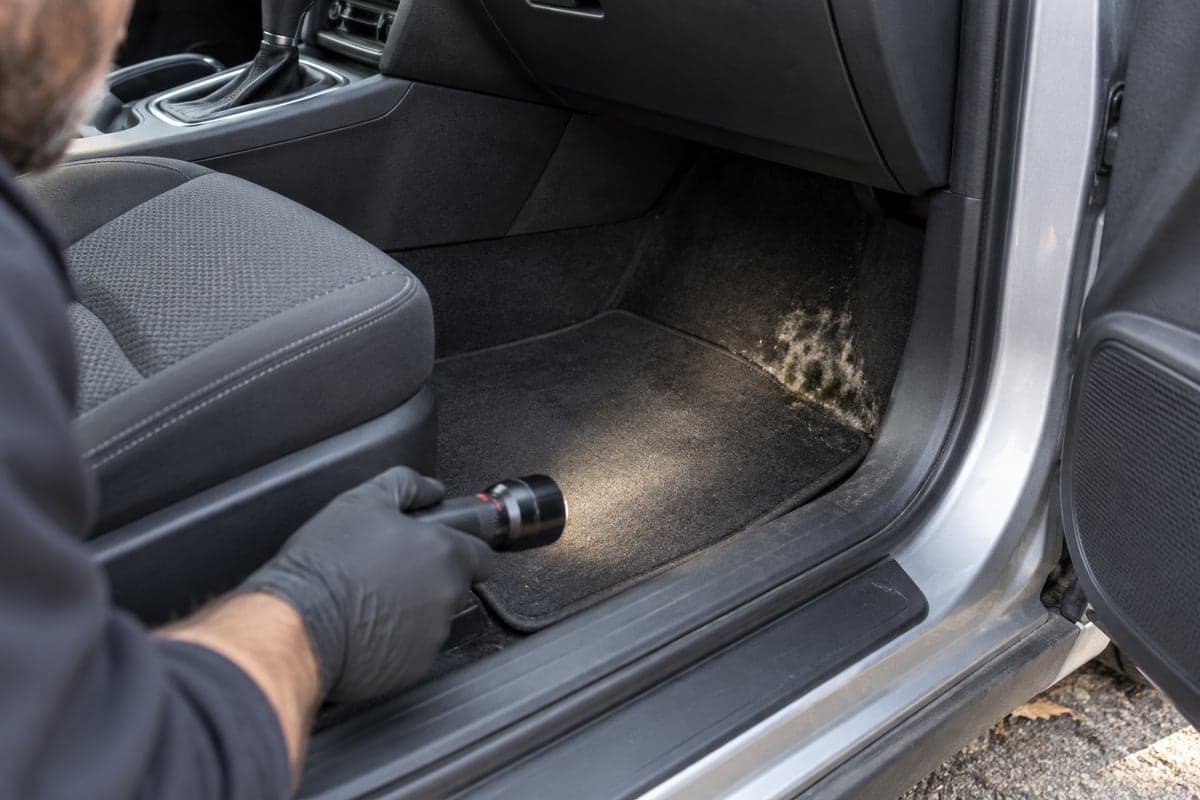
Dark residue can include detergent deposits and grime as well as mold. A photograph cannot identify a species. Our mold and mildew guide explains why color is not a reliable risk label.
Clean the Rubber Seal on a Front Loader
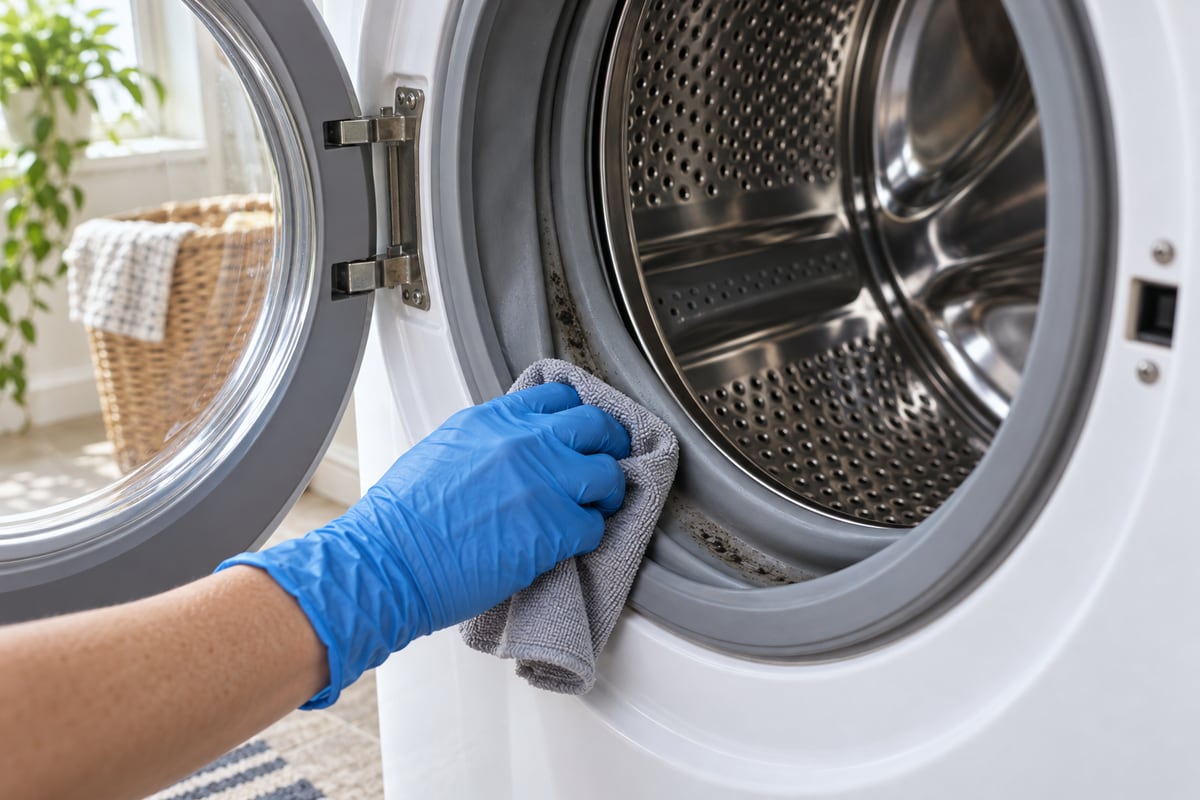
The folds of a front-loader's gasket can hold lint, small objects, and water. Gently pull back the accessible folds without removing the seal or its retaining ring.
- Lift out trapped debris. Remove lint, hair, coins, and other loose items with a damp cloth.
- Wipe away film. Use a soft cloth and the appliance-compatible cleaner specified by the manufacturer. Avoid metal scrubbers and scraping tools.
- Treat remaining growth as directed. If the manual permits diluted bleach, follow its concentration and contact time. Do not leave concentrated bleach or a bathroom mold gel sitting on the rubber overnight.
- Rinse and dry. Wipe away cleaner with fresh water as directed, then dry the folds and door glass.
Whirlpool's gasket-cleaning guide gives a diluted bleach treatment for its guidance, followed by rinsing and drying. That is a manufacturer example, not permission to use the same formula on every brand. If you already used another cleaner, remove its residue fully according to the instructions before any allowed bleach treatment.
Clean the Detergent Drawer and Housing
Remove the dispenser only by its designed release mechanism. Photograph the insert arrangement first if you are unsure how it goes back together.
Wash removable pieces with warm water and a soft brush where permitted, including the undersides of caps and siphon inserts. Wipe the accessible housing without pouring water into it. Rinse, dry, and reassemble correctly so additives dispense into the intended cycle.
LG's front-load maintenance instructions describe this process and warn against washing dispenser pieces in a dishwasher because they may warp. Automatic dosing reservoirs can have a different draining and cleaning procedure; use their instructions rather than forcing them apart.
Run the Correct Empty Cleaning Cycle
Reconnect the fully reassembled machine. Run the maintenance cycle and cleaner combination specified in its manual. Keep clothes out of the drum, measure the dose, and use the designated compartment.
The distinctions matter. Samsung's visible-mold procedure specifies chlorine bleach in the detergent compartment for the affected machines, followed by Self Clean, wiping residue, and Rinse+Spin. Its routine Self Clean guidance normally does not call for bleach. Other machines specify a washer-cleaning tablet or a different dispenser.
Do not assume a normal hot wash, sanitize cycle, and tub-clean cycle are interchangeable. If your machine has no named maintenance cycle, use the alternative its manual provides. Do not copy the Samsung compartment instructions onto another washer.
Afterward, inspect the drum and gasket. Wipe out loosened debris and complete any extra rinsing the manufacturer requires. Do not add a second cleaning product midway through the process.
Check Drainage and Top-Loader Trouble Spots
For a front loader with a user-serviceable drain-pump filter, follow the manual's draining sequence with the washer unplugged and water cool. Have a shallow container and towels ready. Refit the filter and drain-hose cap securely before operating the machine; never remove a filter while the tub is full or hot.
For a top loader, focus on the accessible tub rim, lid underside, and removable dispensers, then run its specified cleaning cycle. Do not remove the agitator, wash plate, or tub unless that work is specifically described as user maintenance. A top loader can retain residue even without a front door gasket.
If water is escaping into the room, cleaning the drum alone will not solve it. Check our guide to mold growth after water damage and arrange repair of the leak and drying of affected flooring.
Know When to Request Service
Contact appliance support if visible growth or odor persists after following the manufacturer procedure, residue repeatedly appears on clothes, drainage is poor, or the gasket is split, leaking, or deteriorating. Ask whether inspection of hidden hoses, the outer tub, or replacement of the seal is needed.
A dark mark that stays after cleaning could be staining, but color alone cannot establish that a seal is clean or that it needs replacement. Report whether there is removable film, recurring odor, new growth, or leakage. These observations give a technician more useful information than a photo of a black spot alone.
If the smell is strongest at a drain pipe rather than inside the machine, ask about plumbing and installation. Not every laundry-room odor comes from washer mold.
Prevent Mold Between Loads
Remove wet laundry promptly and wipe water from the gasket. Let the door and drawer air-dry when the manual recommends it, only when children and pets cannot access the machine. Use a built-in drying or ventilation feature according to its instructions if available.
Measure detergent rather than filling by habit; use HE detergent when required. Follow the model's maintenance interval—many manufacturers call for roughly monthly cleaning—and attend to residue sooner if it appears. Whirlpool explains how excess detergent and moisture contribute to washer odors.
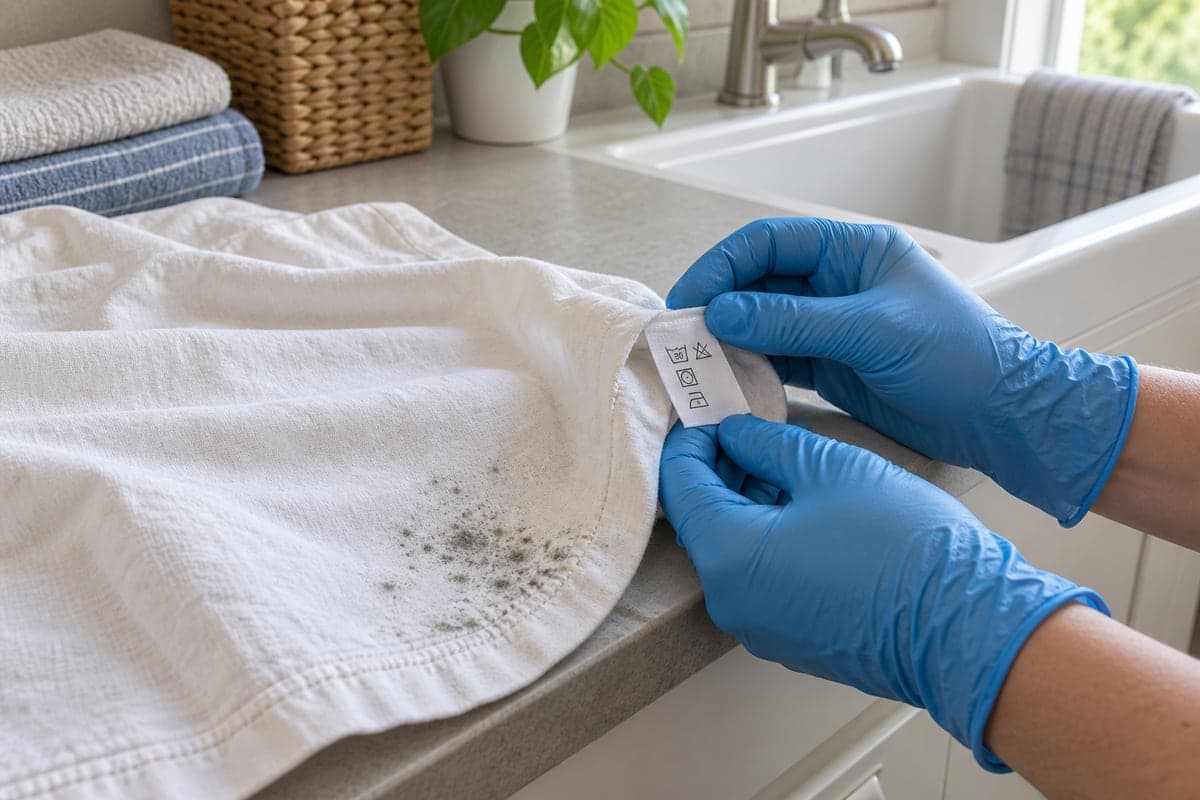
A damp room also makes drying harder. See our mold-prevention humidity guide for moisture control. If garments already have spots, treat them separately using how to get mold stains out of clothes after addressing the washer.
Frequently Asked Questions
Is bleach or vinegar better for washer mold?
Use the product your washer's instructions allow. Bleach is specified in some mold procedures; vinegar is not universally approved. Neither should be improvised into a combined treatment.
Will a cleaning tablet remove mold from the rubber seal?
A tub-cleaning product does not eliminate the need to inspect and hand-clean accessible folds. Follow both the seal instructions and the maintenance-cycle instructions.
Can I wash clothes while the washer has visible mold?
Clean and rinse the machine first. If it continues leaving residue or odor, request service before relying on it to clean affected laundry.
Does black mold mean I need a new washer?
Not automatically. Accessible residue may be cleanable, and a damaged seal may be replaceable. Get an assessment of persistent or inaccessible contamination before deciding between repair and replacement.