Yes. A properly sized air purifier with a HEPA filter can capture airborne mold particles that pass through it. It cannot remove mold growing on a wall, dry a wet carpet, or fix a leak. Use filtration as a supplement while the moisture source and affected materials are addressed, and do not treat an improved smell as proof that the mold is gone.
An air purifier can be useful, but buying one should not delay investigation of a damp or musty room. The EPA describes filtration as an addition to source control and ventilation, with portable units generally serving a single room or area.
Understand What a HEPA Filter Actually Does
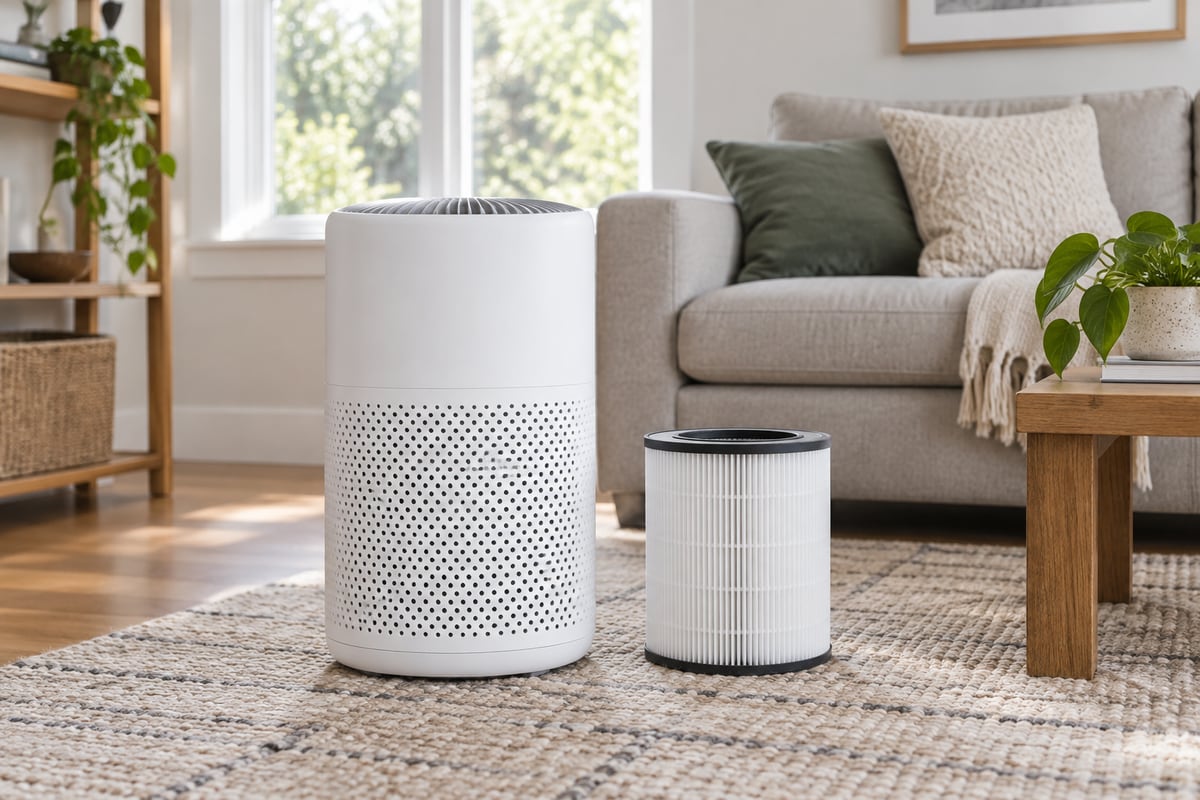
A HEPA filter mechanically traps particles. The EPA's HEPA definition describes a filter capable of theoretically removing at least 99.97% of particles measuring 0.3 microns, including mold among the particle types it can capture.
That rating describes filtration performance, not the percentage of mold removed from your entire home. Air must reach the device, pass through the filter, and keep circulating. Mold growing behind a cabinet remains there, and new particles can enter the room from the unresolved source.
“Captures particles” also does not mean “kills every mold spore.” You do not need a germ-killing claim for mechanical filtration to be useful. What matters for room performance is the clean air delivered, not just a large percentage printed beside the filter name.
Fix the Moisture and Visible Growth First
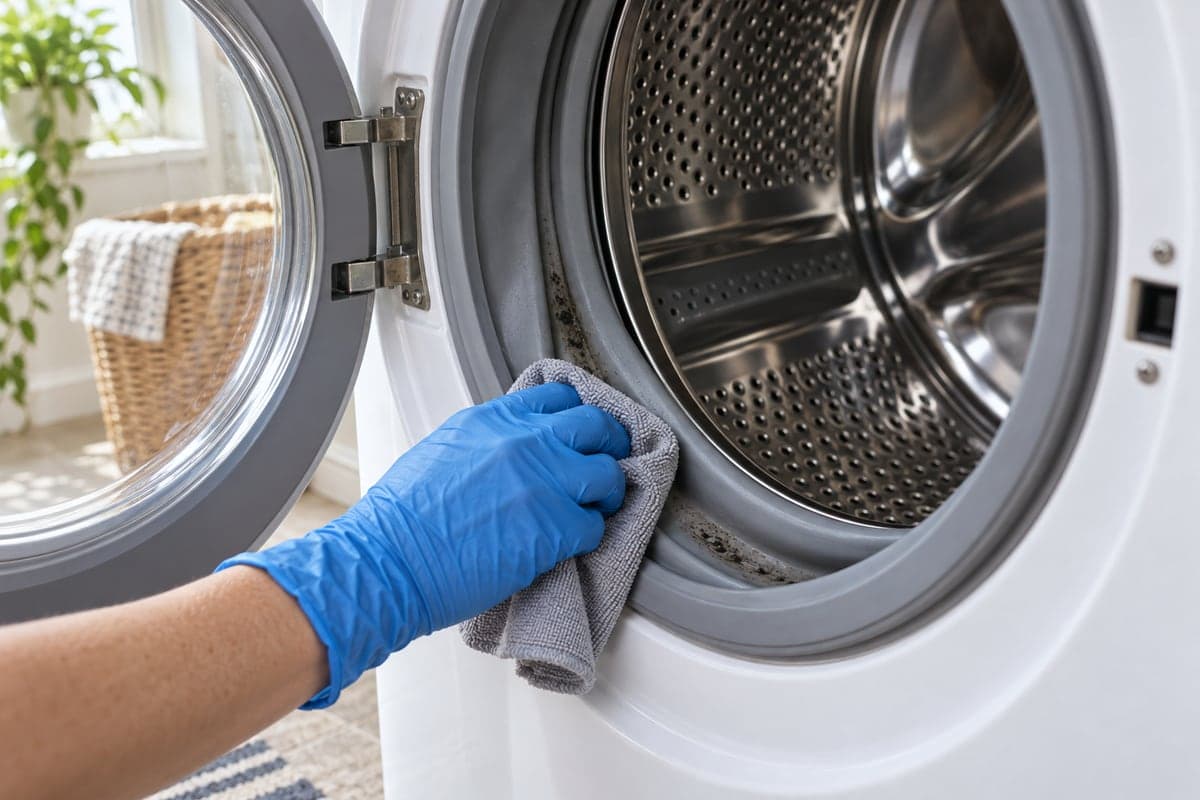
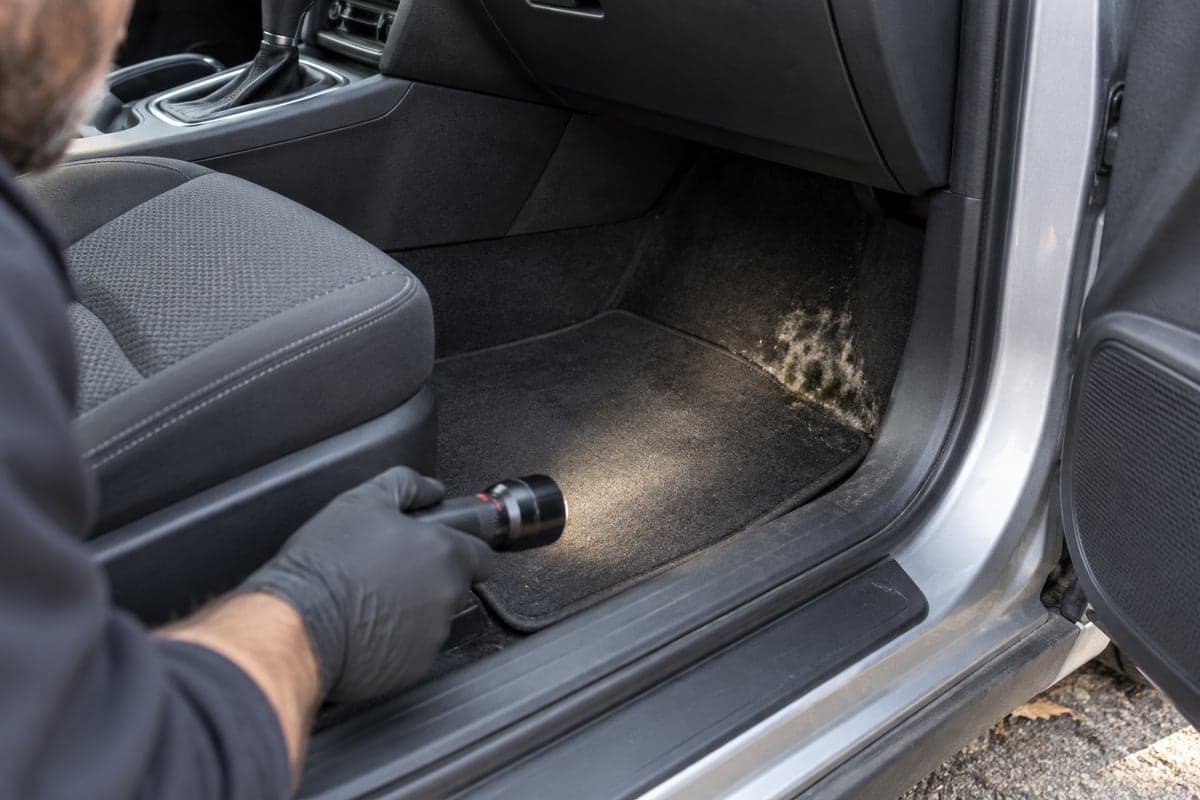
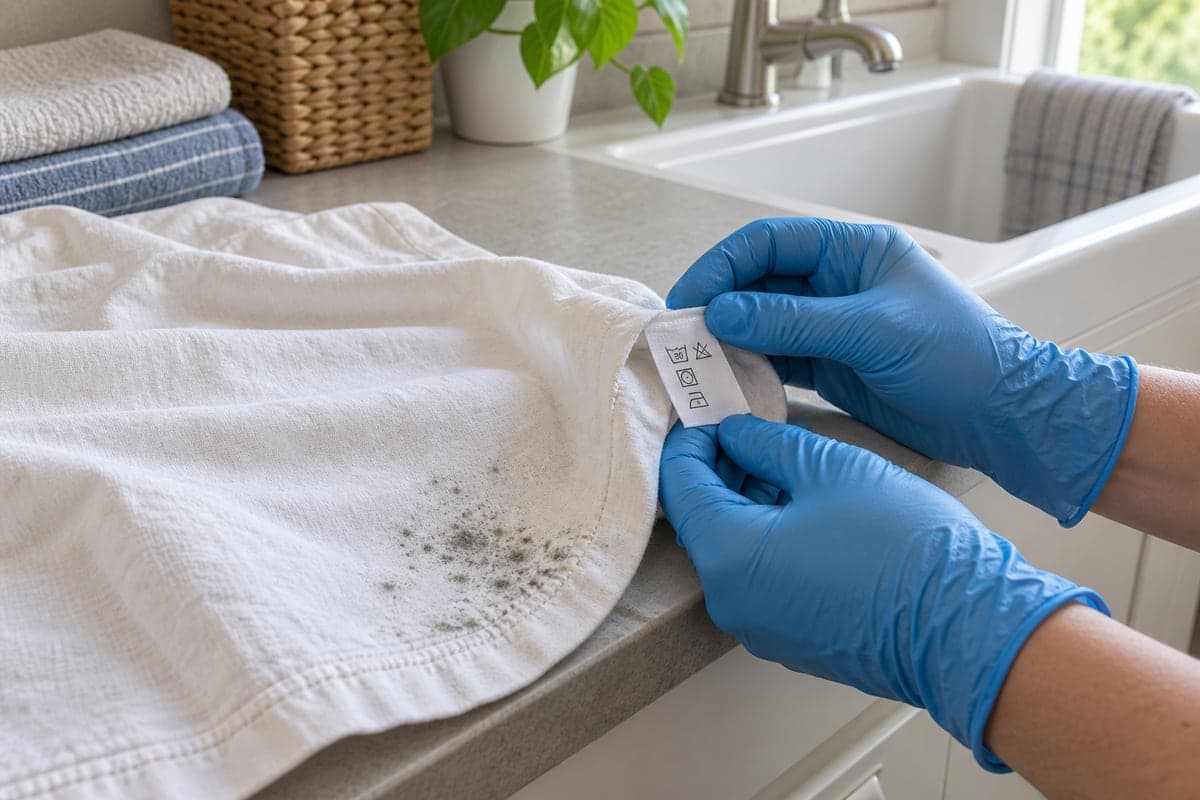
Find leaks, condensation, wet materials, or an unusually damp room. If mold is visible, arrange appropriate cleanup and repair. If the source is unclear, our guide to who to call for a mold inspection can help you choose the next step.
For a small, accessible household problem, read how to get rid of mold. Extensive growth, contaminated water, or suspected HVAC contamination needs a more careful assessment. A consumer purifier is not a substitute for professional containment or an air scrubber specified for remediation work.
The EPA's mold guidance explains that controlling moisture and removing growth are central to cleanup. Do not run a home HVAC system known or suspected to be contaminated until it has been assessed.
Choose Enough Clean Air for the Room
Look for the clean air delivery rate, or CADR, along with HEPA filtration. CADR describes the volume of filtered air delivered, usually in cubic feet per minute in U.S. product information. A filter with impressive efficiency cannot clean much room air if very little air flows through it.
AHAM Verifide recommends a tobacco-smoke CADR of at least two-thirds of the room's floor area for its usual sizing guidance. For example, a 12-by-15-foot room is 180 square feet, so a CADR of at least 120 cfm is a starting point. This is a general room-sizing rule, not a mold clearance target.
Account for high ceilings and connected open spaces. A bedroom purifier is unlikely to deliver the same results across a whole open-plan floor. Also check what fan speed the rating uses: you will get less airflow if you use a quieter, lower setting.
Before purchasing, compare these practical details:
- A published CADR and an independently verifiable room-size rating.
- A fan speed you can tolerate while sleeping or working.
- Replacement-filter availability and cost.
- Space to meet the manufacturer's intake and outlet clearances.
- Whether any ionizer or other optional electronic feature can be switched off.
Do not choose solely by a claim such as “covers up to 1,500 square feet.” Check the airflow and the conditions behind the claim.
Use It Where Air Can Reach It
Place the purifier in the room where you need filtration, with unobstructed intake and exhaust. Avoid wedging it behind a sofa, covering it with curtains, or aiming its air stream directly at visible mold. Keep the unit and its filter dry and follow its electrical and placement instructions.
Run it consistently at a tolerable setting. Higher airflow and longer operation generally improve particle removal; brief operation cannot guarantee that a room is clear. Replace filters on the manufacturer's schedule and sooner if its instructions call for it under heavy use.
The EPA's consumer air-cleaner guide covers airflow, operation, filter maintenance, and room sizing. If a filter is not labeled washable, do not rinse it and put it back damp. Switch off the unit before changing filters, and handle used filters without shaking out collected dust indoors.
Compare Air Purifiers, Dehumidifiers, and Odor Filters
An air purifier filters airborne particles. It does not normally remove meaningful amounts of water from the room. A dehumidifier removes moisture. It can help make conditions less favorable for mold, but it does not clean moldy materials. Some damp rooms may benefit from both once the source is being addressed.
Use a hygrometer to check conditions rather than relying on how the air feels. Our humidity guide for mold prevention explains humidity targets and condensation. A wall can still get damp even when a room's average reading seems reasonable.
HEPA media target particles rather than gases. A substantial activated-carbon filter may reduce some odors, but performance and useful life vary. The EPA's technical summary of residential air cleaners discusses these differences. A thin odor sheet or a fresher-smelling room does not establish that hidden mold has been removed.
Avoid Ozone and Whole-Room Sterilization Claims
Avoid a device marketed as an ozone generator for household mold treatment. EPA finds that ozone at concentrations within public health limits is not effective at removing mold, and ozone can irritate the lungs. Contaminants within porous material may remain even at high concentrations.
UV, ionization, or other treatment claims need evidence for the particular device and conditions. A laboratory kill-rate claim does not establish that a machine will remediate a damp building. Prefer clearly stated filtration performance and an achievable plan for the source of the mold.
Frequently Asked Questions
Will an air purifier help with black mold?
It can capture airborne particles regardless of the visible growth's color. It cannot identify the organism or remove a colony from the building. Black coloring does not change the need to find moisture and clean or replace affected material.
How long does it take to remove mold spores from a room?
There is no universal time. Room volume, airflow, fan speed, leakage, and continued particle release all matter. A purifier cannot establish a mold-free room or tell you when remediation is complete.
Can the air purifier's sensor detect mold?
Do not interpret a consumer particle or air-quality display as a mold test. A low particle reading cannot rule out hidden growth. Our air mold testing guide explains why even actual sampling needs careful interpretation.
Will it stop allergy or asthma symptoms?
It may help reduce airborne particles, but symptom relief is not guaranteed. EPA's consumer guide describes variable results in allergy and asthma studies. Persistent symptoms need medical advice and attention to the exposure source.