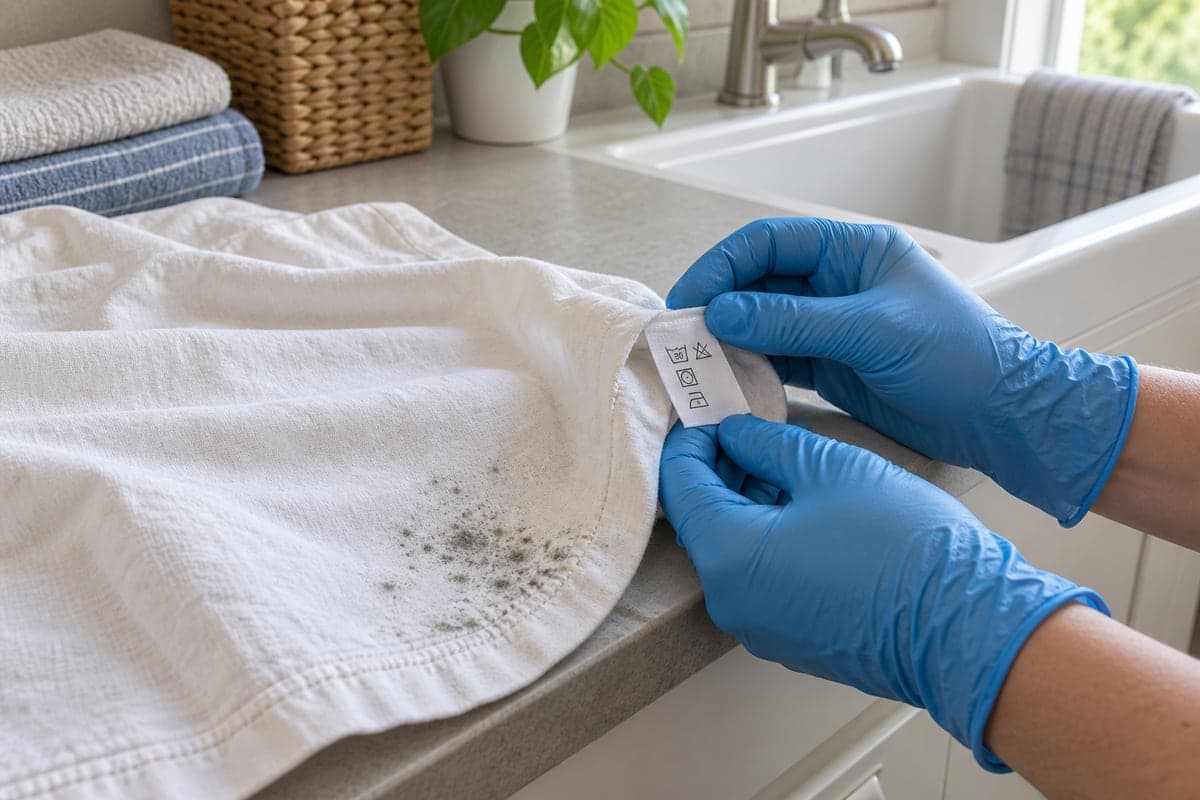
The pink or reddish film that shows up in shower stalls, toilet bowls, sinks, and pet water dishes is usually not mold. NDSU Extension identifies it as a bacterium, Serratia marcescens, which grows in moist spots where soap residue or other fatty substances collect. It usually comes off with a scrub and a cleaner that contains bleach, and it comes back less when surfaces are kept clean and dry. Molds can be pink too, but you can't identify a mold by its color. NIOSH says a mold's color doesn't necessarily show whether it is more or less dangerous, and the CDC says all molds should be treated the same. Pink growth on drywall, wood, ceilings, or fabric points to a moisture problem that needs fixing.
The earlier version of this article said pink mold is a fungus from the Aureobasidium genus. That isn't a reliable way to describe what most people find. The pink residue in bathrooms is typically bacterial, and the fungi that can look pink also come in other colors.
What That Pink Slime Usually Is
Serratia marcescens is a common bacterium. McGill University's Office for Science and Society explains that it is found naturally in soil, air, and water, and that its color comes from a reddish pigment called prodigiosin.
According to NDSU Extension, you may find it in "toilet bowls, sinks, tiles, shower stalls, bathtub enclosures and even your pet's water dish." It grows where there are materials containing phosphorus or fatty substances, such as waste residue in a toilet or soap residue in a tub, shower, sink, or pet dish.
A few things make it more likely to appear:
- Soap scum and body oils give it something to feed on.
- Standing water. NDSU notes that chlorine in tap water dissipates as water sits, which is why a toilet that isn't flushed often or a pet bowl that isn't refreshed can grow a pink ring.
- Carbon water filters. NDSU says an activated carbon filter on your water line removes chlorine and "may be supporting the growth of the bacteria."
- Surfaces that stay damp between uses, such as shower corners, caulk lines, and the drain area.
Is Pink Bathroom Bacteria Dangerous?
For most healthy people at home, it's mainly a nuisance. NDSU says the genus Serratia "is not known to be a water-borne disease." It adds that the bacterium "has been known to be pathogenic to some people, causing pneumonia, wound infections and urinary tract infections in some hospital settings."
A 2023 systematic review describes Serratia marcescens as an opportunistic germ that mostly causes infections in critically ill or immunocompromised patients, especially in intensive care units. So it's reasonable to be more careful if someone in the home has a weakened immune system or open wounds.
Contact lens wearers should take note. A 2025 clinical report describes Serratia eye infection as rare but sight-threatening, seen mainly in contact lens users, and notes the bacterium can colonize lenses, storage cases, and solutions. Follow the CDC's lens case advice: rub and rinse the case with fresh solution, avoid water, empty and dry it with a clean tissue, and store it upside down with the caps off. See an eye doctor promptly for eye pain, redness, or blurred vision while wearing lenses.
How To Clean Pink Residue
- Ventilate the room. Open a window or run the exhaust fan.
- Scrub off the film. Use a brush or sponge with a general-purpose bathroom cleaner to physically remove the slime and soap buildup. Get under the toilet rim, along caulk lines, and around drains.
- Disinfect. NDSU recommends following up with a chlorine bleach solution and leaving it on the surface for 10 to 20 minutes before rinsing. McGill notes that a household cleaner containing bleach or hydrogen peroxide usually solves the problem. Follow the product label.
- Rinse and dry. Rinse thoroughly, especially pet bowls, and dry the surfaces.
Never mix bleach with ammonia or other cleaners. The CDC warns the combination produces a poisonous gas. Don't use bleach and a hydrogen peroxide product together, either. Choose one.
Wear gloves, and protect your eyes from splashes. If you have asthma or other breathing problems, strong cleaning products may bother you, so ventilate well or have someone else do the job.
How To Keep It From Coming Back
- Wipe down and dry sinks and tubs after use. NDSU recommends this, along with regular cleaning with a product that contains bleach.
- Clean away soap scum before it builds up, and use a squeegee on shower walls.
- Flush toilets that don't get used often, such as in a guest bathroom, so water doesn't sit.
- Wash pet bowls daily with hot soapy water, rinse well, and refill with fresh water.
- Run the bathroom exhaust fan during and after showers to help surfaces dry. See what humidity level helps prevent mold for a target.
- Replace moldy or stained caulk that can't be cleaned.
Expect to repeat the cleaning. The bacterium is common in the environment, so the goal is to keep it from settling in, not to eliminate it for good.
When Pink Growth Is Actually Mold
Some molds do form pink colonies. The University of Adelaide's mycology reference describes *Aureobasidium* colonies as cream or pink, later becoming brown or black. It describes *Fusarium* as ranging from whitish to yellow, pink, red, or purple. Because one mold can show several colors, and different molds can look alike, color can't tell you what you have.
Suspect mold rather than bathroom bacteria when the pink growth:
- Is fuzzy, powdery, or spotty rather than a slimy film.
- Is on drywall, a ceiling, wallpaper, wood, fabric, or stored items, not just on wet fixtures.
- Comes with a musty smell, water stains, bubbling paint, or a known leak.
You don't need to identify the species. The CDC says it isn't necessary to determine what type of mold you have, and that all molds should be treated the same with respect to potential health risks and removal. The steps are the same as for any mold:
- Fix the moisture. The EPA says that if you clean up mold but don't fix the water problem, the mold will most likely come back.
- Size it up. Most people can handle an area smaller than about 10 square feet themselves, according to the EPA.
- Protect yourself. The CDC recommends at least an N95 respirator, gloves, and goggles.
- Clean hard surfaces with detergent and water, and dry them completely.
- Don't paint or caulk over mold. Porous materials like ceiling tiles and carpet may need to be thrown away.
People with asthma, mold allergies, chronic lung disease, or weakened immune systems face higher risks from mold and shouldn't do the cleanup. For more on health risks, see what kind of mold is dangerous in a house. For large areas, hidden mold, or a musty smell you can't trace, see who to call for a mold inspection.
Pink Mold on Food
Don't try to decide by color whether moldy food is safe. A USDA fact sheet, *Molds on Food: Are They Dangerous?*, says some molds can produce mycotoxins, poisonous substances that can make people sick. It advises:
- Discard moldy bread and baked goods, soft fruits and vegetables, soft cheeses, yogurt, jams and jellies, and cooked leftovers.
- Cut away at least 1 inch around and below the mold on hard cheese and firm fruits and vegetables such as carrots and bell peppers, keeping the knife out of the mold.
- Don't sniff moldy food, which can cause respiratory trouble.
Frequently Asked Questions
Is pink mold dangerous?
The pink film in bathrooms is usually Serratia marcescens bacteria, which mainly causes infections in hospital patients and people with weakened immune systems. Clean it off and keep surfaces dry. If the pink growth is actually mold, treat it like any other mold, because color doesn't show how risky a mold is.
Why does the pink ring in my toilet keep coming back?
The bacterium is common in the environment and feeds on residue in the bowl. It grows more readily when water sits and its chlorine dissipates, or when a carbon filter removes chlorine. Regular scrubbing, a bleach-containing cleaner, and flushing unused toilets help.
Is pink slime in my shower a sign of a bigger mold problem?
Not usually. A slimy pink film on tile, grout, or the tub is typically bacterial and tied to soap residue. Look for mold elsewhere if you also see fuzzy spots on the ceiling or walls, peeling paint, or a musty smell.
Can I use vinegar on pink residue?
The extension and university sources we reviewed recommend scrubbing and then using a bleach or hydrogen peroxide cleaner. If you use vinegar, don't combine it with bleach, and don't expect it to replace scrubbing.
Is the pink residue in my pet's water bowl harmful?
The same bacterium is behind the pink film in pet bowls, where it feeds on residue. Wash the bowl daily with hot soapy water, rinse well, and refill with fresh water. Ask your veterinarian if your pet has a health condition or seems unwell.
Should I test pink growth to find out what it is?
Generally not. The CDC doesn't recommend mold testing, and the EPA says sampling is usually unnecessary when growth is visible. Clean fixtures regularly, and if you suspect mold on building materials, focus on the moisture source.
Sources
- NDSU Extension: Red substance in tub, toilet is bacteria — identification, where it grows, chlorine and carbon filters, cleaning, prevention, and health notes.
- McGill Office for Science and Society: What is the pink deposit in toilets and around sinks? — prodigiosin, soap residue, infections in hospitals, and cleaners.
- Zivkovic Zaric et al., *Antibiotics* (2023) — systematic review of Serratia marcescens infections.
- *Clinical Optometry* (2025) and CDC: Cleaning and storing contact lenses — Serratia eye infections in lens wearers and lens case care.
- University of Adelaide Mycology: *Aureobasidium* and *Fusarium* — colony colors of fungi that can look pink.
- CDC/NIOSH: Mold testing and remediation — mold color and danger.
- CDC: Mold, Mold Clean-Up, and Facts About *Stachybotrys chartarum* — mixing bleach with other cleaners, protective equipment, testing, and treating all molds the same.
- EPA: A Brief Guide to Mold, Moisture and Your Home — fixing moisture, the 10-square-foot guideline, porous materials, and sampling.
- USDA FSIS: Molds on Food: Are They Dangerous? (2005 revision, hosted by UC Davis) — which moldy foods to discard or trim.